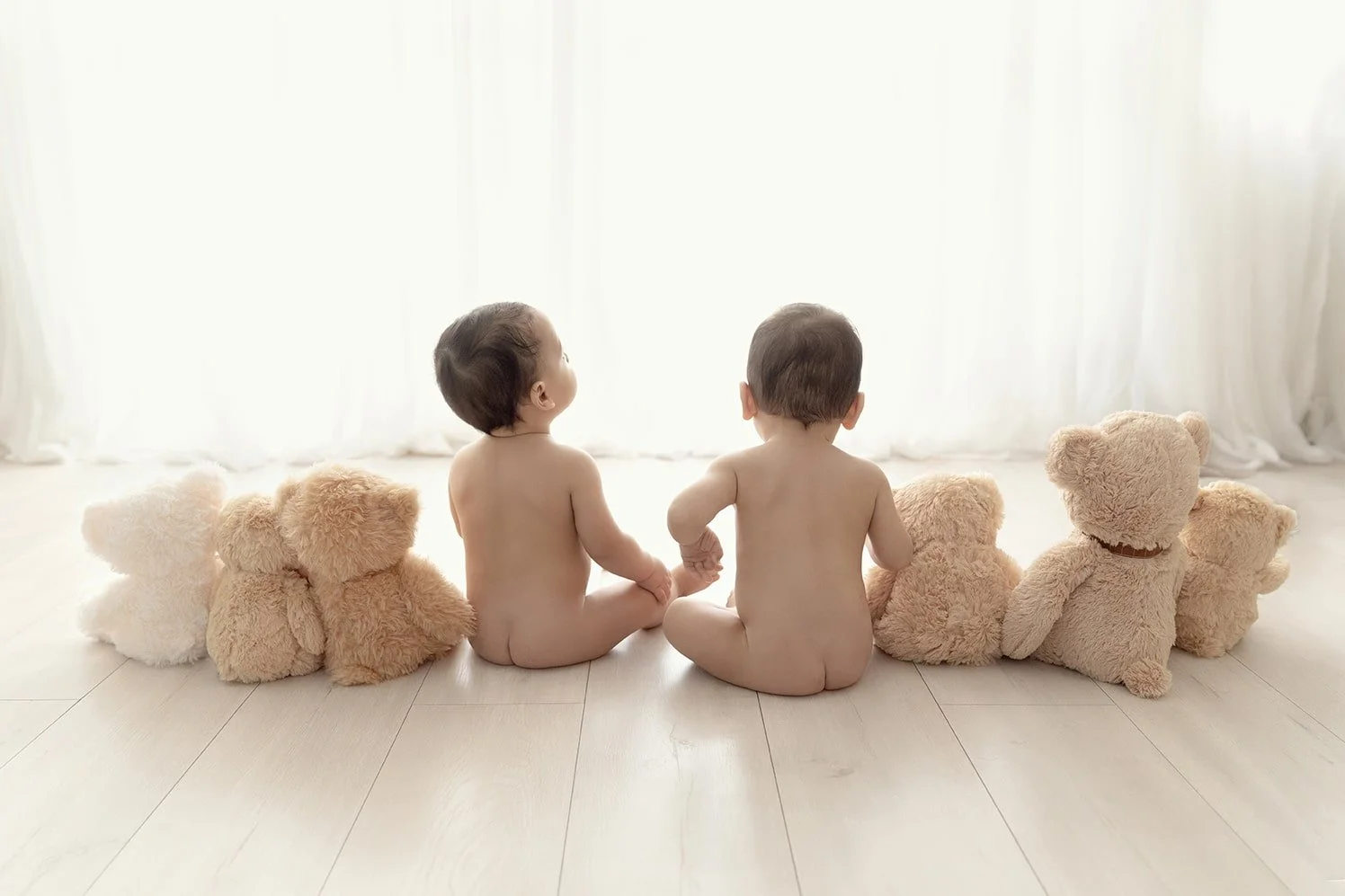
Baby Photography Tips for Capturing their Personality
Baby photography tips for capturing your baby's unique personality! Learn tips and tricks for adorable photos that showcase their character.
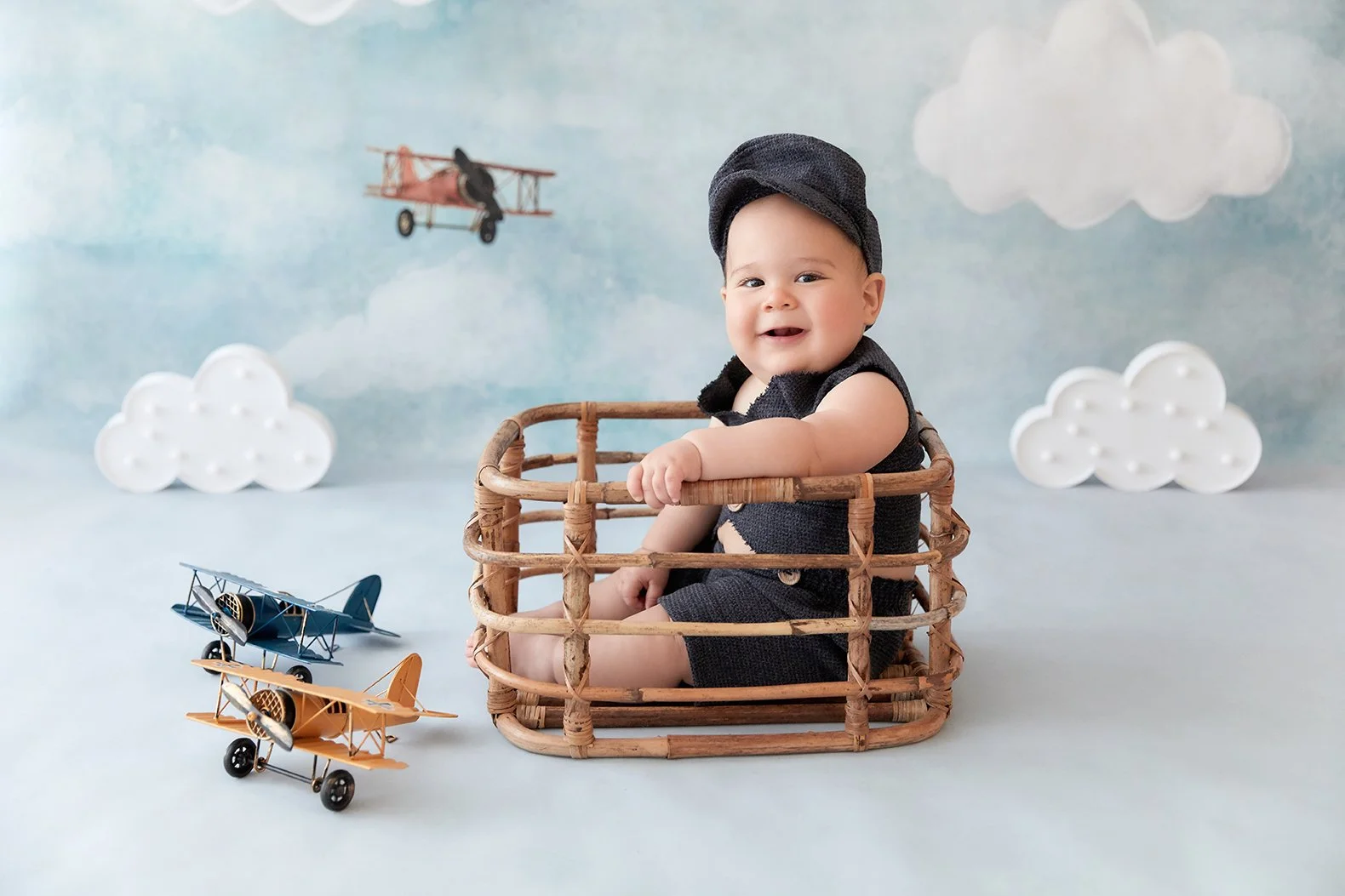
Babies change faster in their first year than at any other time in life. Their faces, their expressions, the way they move, and even the way they react to the world shifts almost monthly. Photographing babies is all about learning how to see who your baby is becoming and freezing those precious moments in time before they disappear.
Great baby photography is never just technical. It is emotional and observant. Whether you are a parent taking photos at home or a professional newborn photographer guiding a full photography session, the goal is always to capture personality.
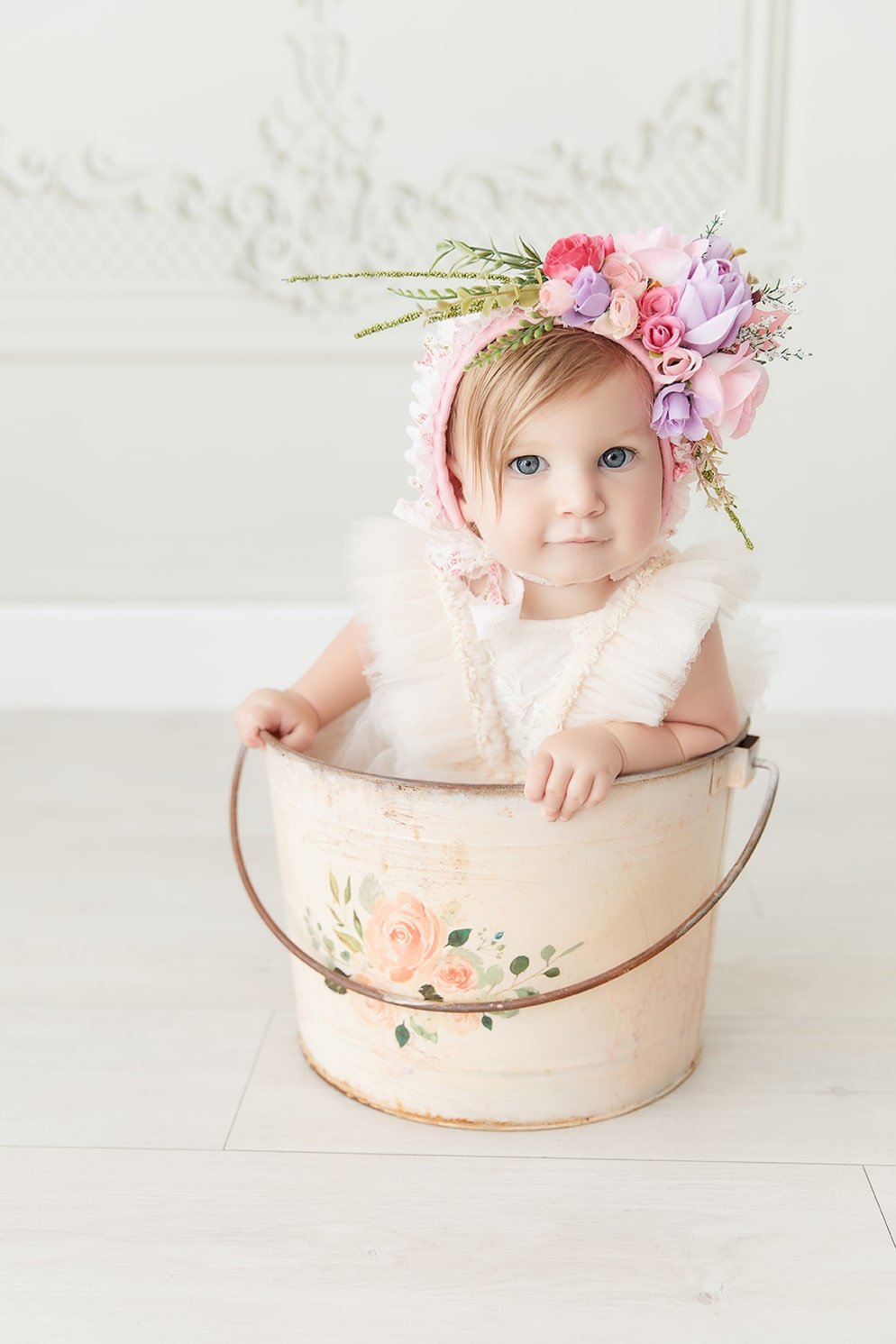
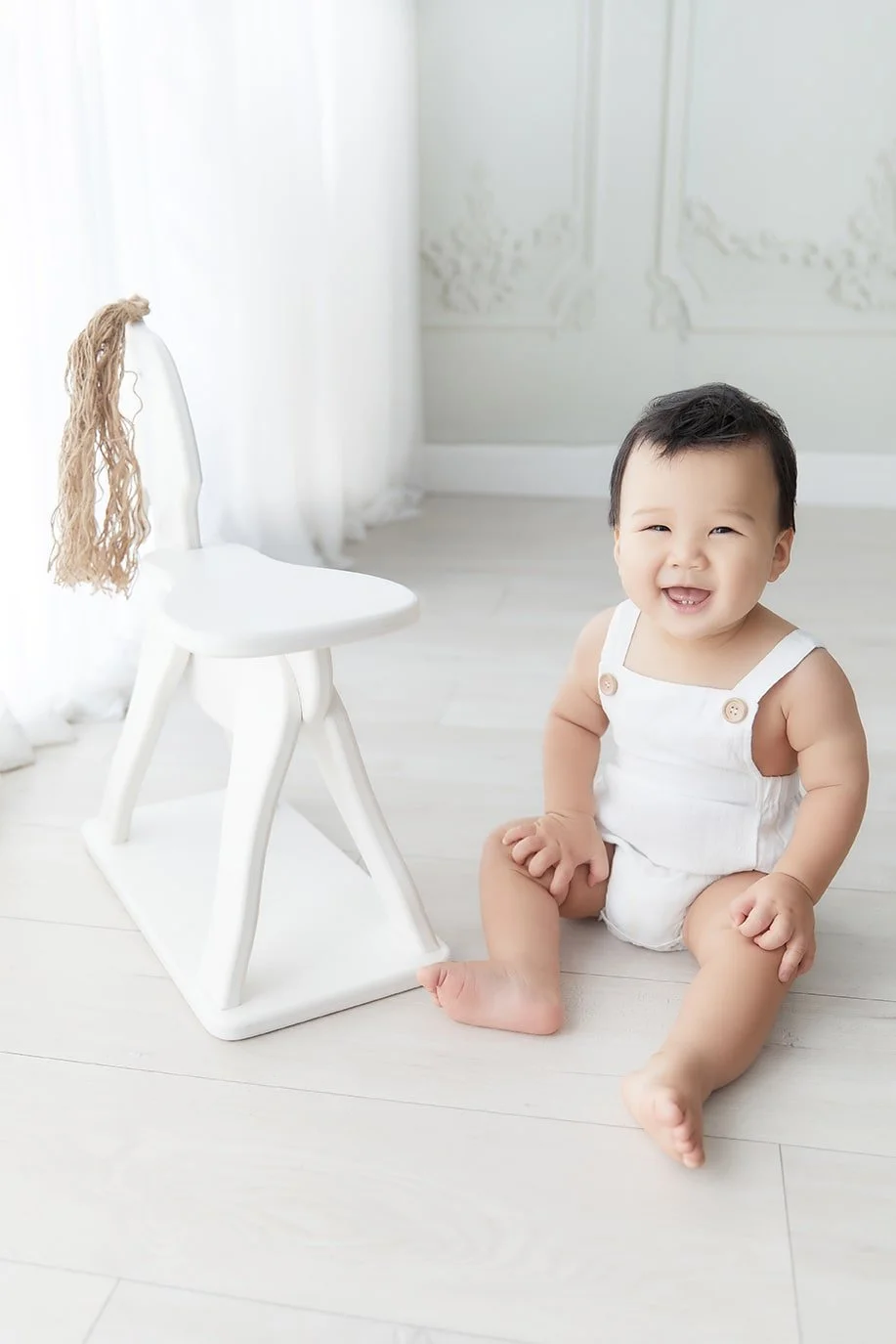
What Personality Really Means in Baby Photography
When people talk about capturing a baby’s personality, they often think it means waiting for a smile. In reality, personality shows up in much quieter ways. It is in the way a newborn curls their fingers while sleeping. The way a three-month-old studies your face. The cautious side-eye of a six-month-old meeting a new prop.
The bold determination of a nine-month-old trying to crawl straight toward the camera. Personality is not something you create. It is something you notice.
The most beautiful baby photos come from slowing down enough to observe. Is this baby alert or dreamy. Curious or cautious. Expressive or calm. Some babies are naturally animated, kicking and waving their hands nonstop. Others are thoughtful, still, and deeply observant. Great baby photography honors both.
This is why photographing babies is not about rushing through a checklist of shots. It is about responding to what the baby gives you in that moment.
The Newborn Stage (0–6 Weeks): Photographing Stillness and Subtlety
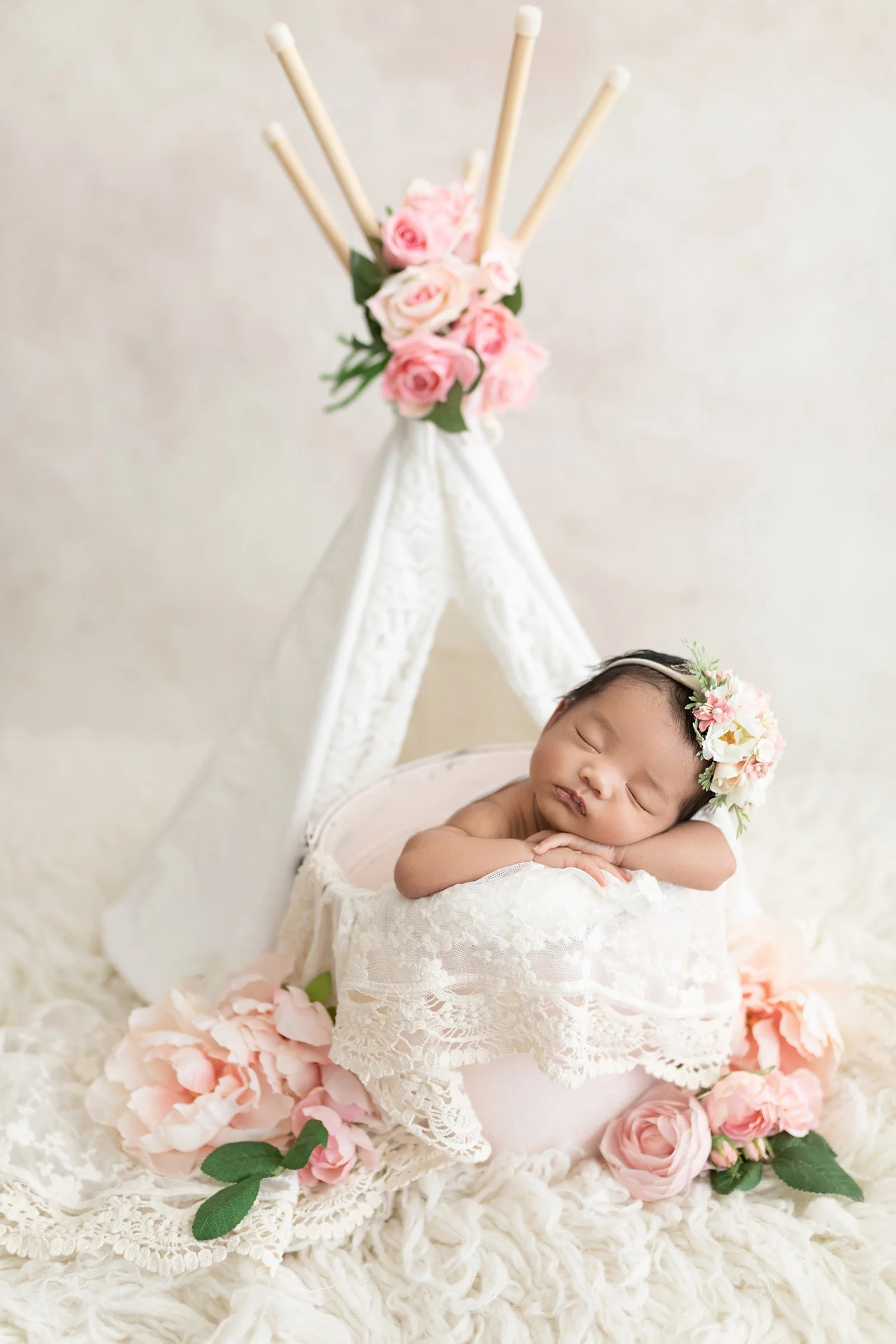
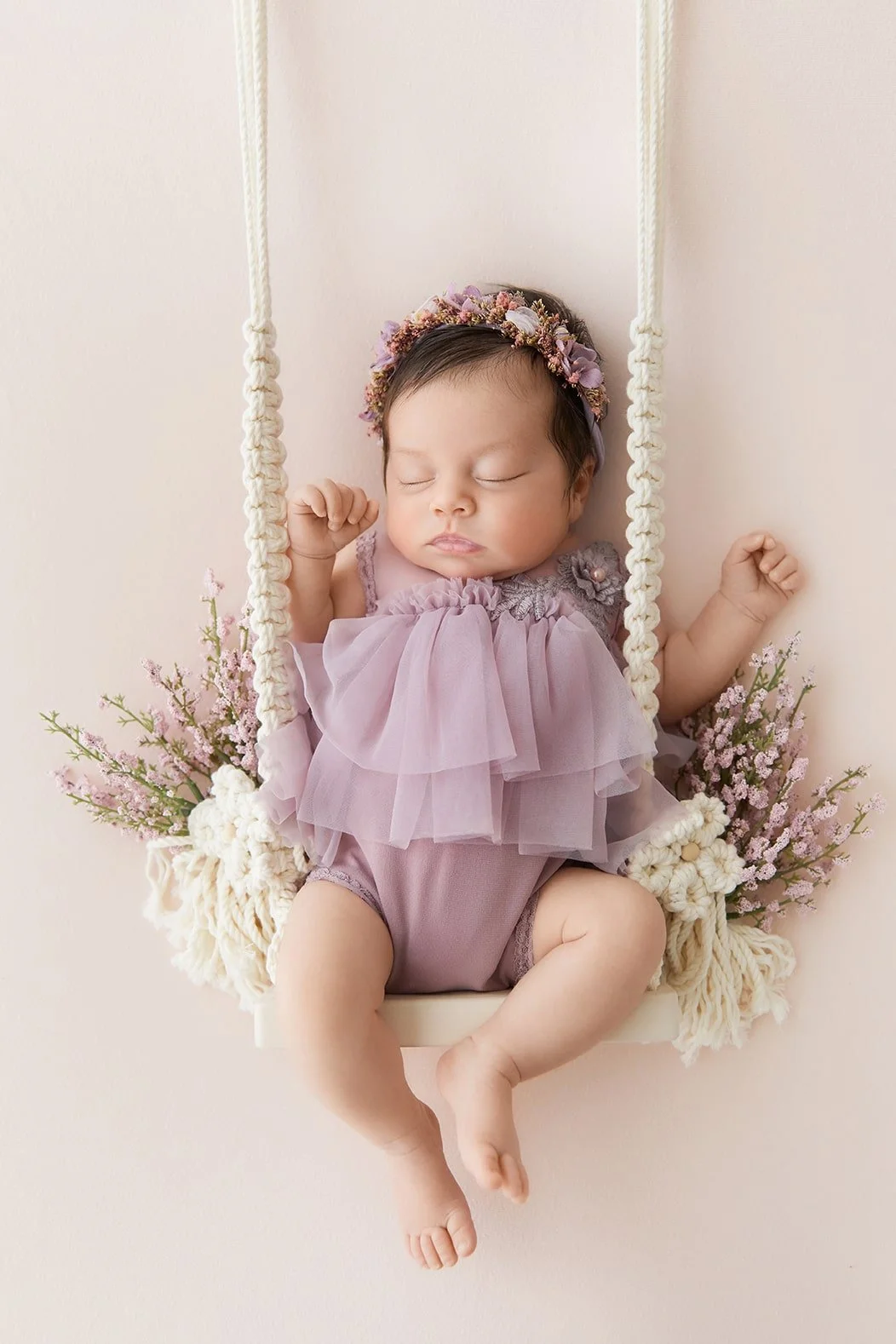
The newborn stage is often the quietest chapter of baby photography, and also the most misunderstood. Newborns do not smile on cue. They do not interact with props. Their personality is expressed through stillness, tiny movements, and peaceful details.
Newborn photography is about softness. Soft light. Soft poses. Soft transitions. This is why natural light plays such an important role in a newborn photography session. Harsh light flattens features and overwhelms delicate skin. Gentle window light wraps around the baby’s face, creating depth and dimension without distraction.
At this stage, babies are most comfortable when swaddled. Swaddling is not just a styling choice. It helps babies feel secure and calm, allowing their natural expressions to emerge. A baby wrapped snugly often relaxes their face, softens their brow, and settles into sleep. These moments create classic newborn photos that never go out of style.
Learn more with my full newborn + parents shoot course.
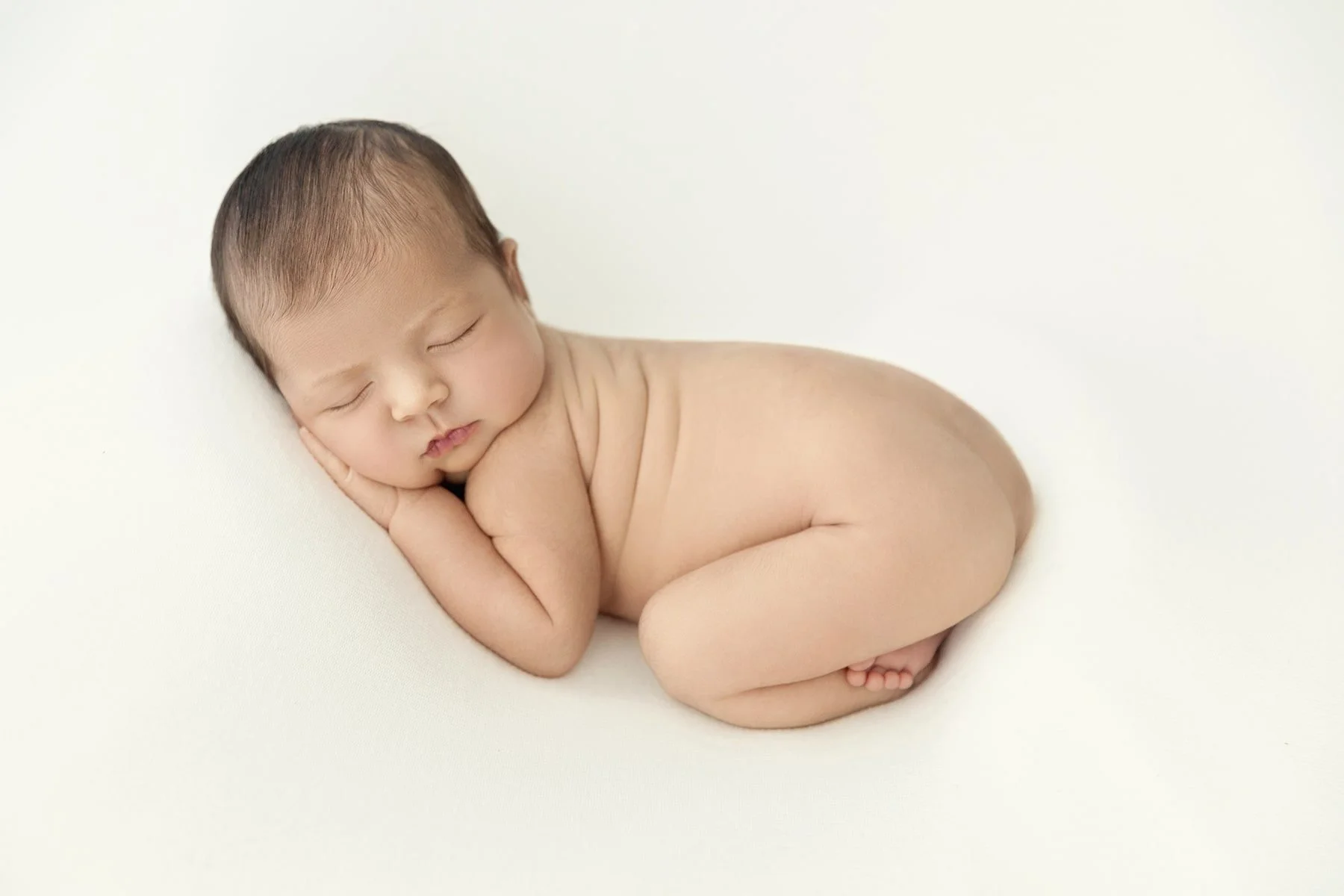
Personality at this stage lives in the details. The curve of the lips. The way the baby’s head naturally turns to one side. Tiny hands tucked near the face. Little feet peeking out of a wrap. These are the precious moments in time that parents miss most as their baby grows.
When photographing newborns, depth of field matters more than many realize. A shallow depth of field keeps the focus on the baby’s face while softly blurring everything else. This helps isolate the emotion in the frame and removes distractions. It also adds a timeless, professional feel to newborn photos.
Master newborn girl setups and newborn boy setups.
Posing Newborns Without Losing Authenticity
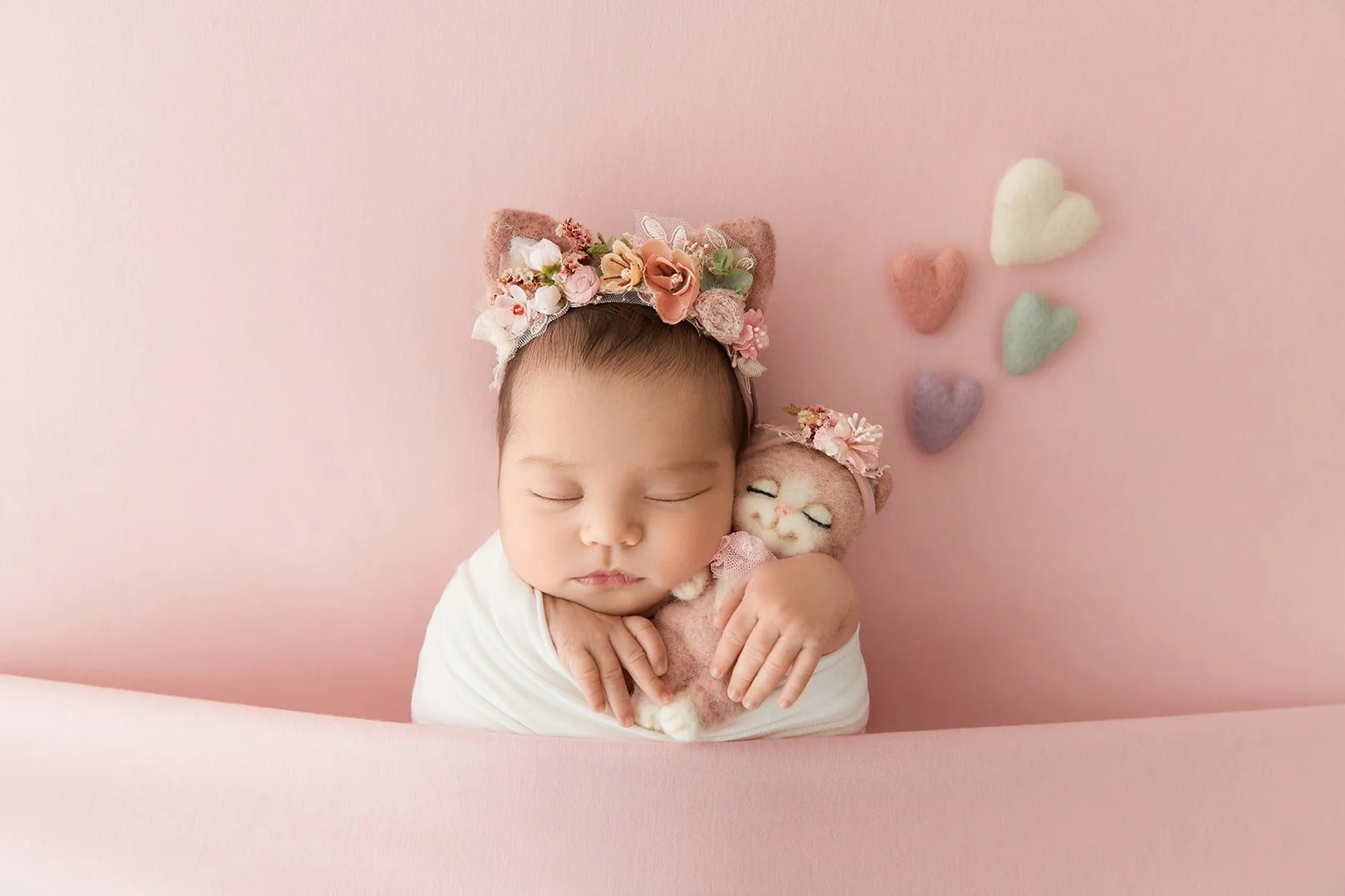
There is a difference between posing a newborn and forcing a newborn into a pose. The best newborn photography sessions flow with the baby’s natural movement and comfort. Classic newborn poses are meant to support the baby, not shape them unnaturally.
Position your baby in ways that feel organic. Gently turn the baby’s head toward the light. Let the body curl naturally rather than stretching limbs. Pay attention to the baby’s face. If the forehead looks tense or the mouth tightens, it is a sign to pause and reset.
Props should never overpower the baby. A simple blanket, a soft wrap, or a neutral prop adds context without stealing attention. Newborn photography is not about the prop. It is about the baby within the prop.
Some of the most beautiful newborn photos are captured between poses. A stretch. A yawn. A moment where the baby briefly opens their eyes. These fleeting expressions often become favorites because they feel real.
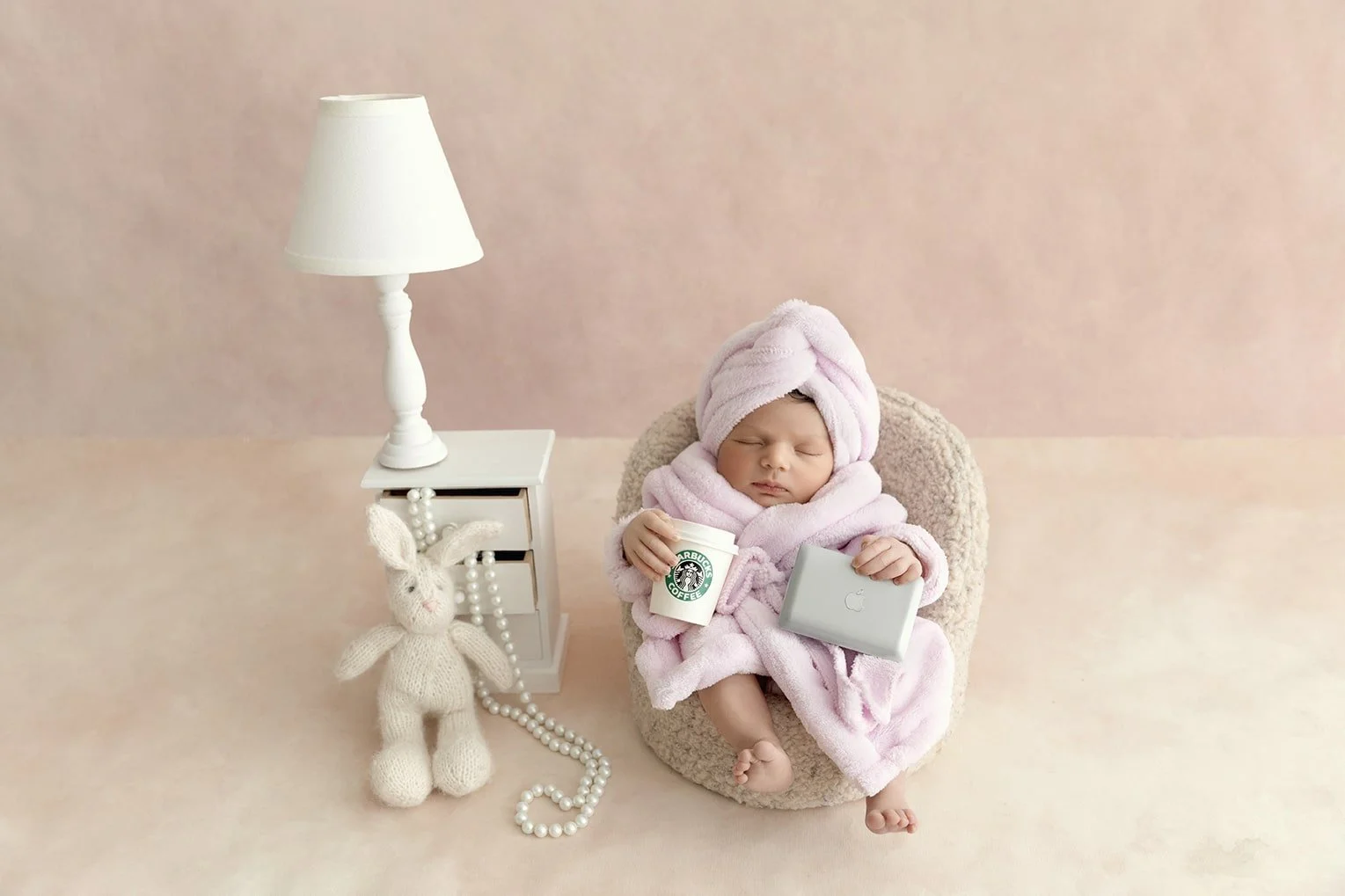
Lifestyle Newborn Photography and Personality at Home
Lifestyle newborn photography focuses less on posed images and more on connection. It captures babies in real environments, often with parents and siblings nearby. Personality here shows up through interaction.
A newborn pressed against a parent’s chest. Tiny fingers wrapped around a mother’s hand. A baby resting peacefully while siblings peek in with curiosity. These moments tell a story beyond the baby alone.
When photographing lifestyle newborn sessions, positioning matters more than posing. Place the baby near a window. Turn bodies toward the light. Let parents hold the baby naturally rather than directing stiff positions.
Even in lifestyle newborn photography, shallow depth of field helps draw attention to the baby’s face and expressions. A softly blurred background keeps the image emotional and intimate.
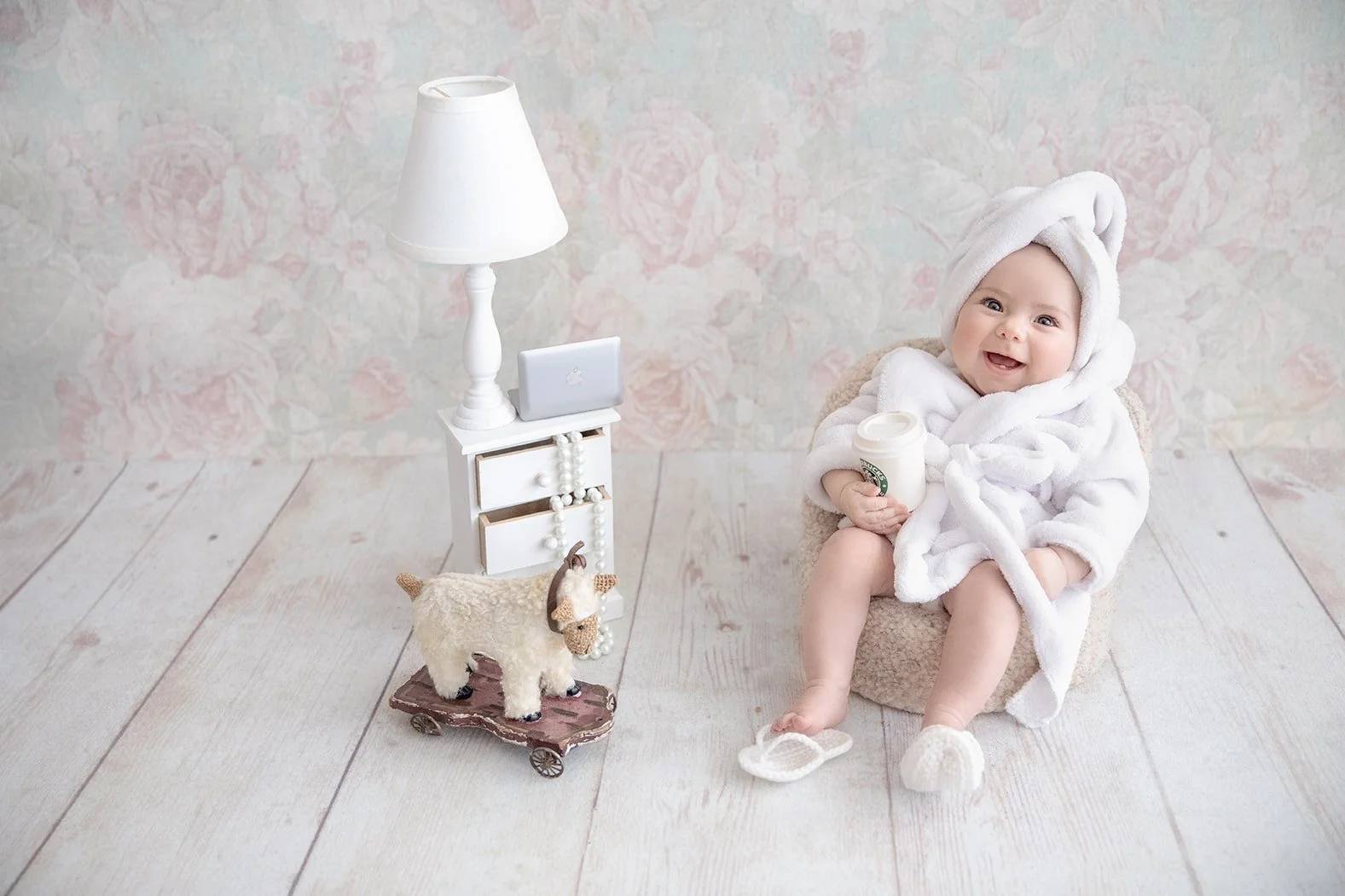
The 2–3 Month Stage: Alert Eyes and Emerging Expression
Around two to three months, something shifts. Babies become more alert. Their eyes begin to track movement. Their expressions grow more intentional. This is when personality starts to peek through in a more obvious way.
At this stage, baby photography becomes more interactive. Babies may not sit yet, but they respond to sound, movement, and familiar voices. This is where simple tools become incredibly useful. A small hand-held tambourine drum, gentle tapping sounds, or even singing something playful like Baby Shark can instantly bring focus and expression to the baby’s eyes.
The goal is not to overstimulate. It is to engage just enough to spark curiosity. Watch the baby’s face closely. A slight eyebrow raise, widened eyes, or a soft coo can transform a photo from ordinary to magical.
Positioning is key. Support the baby’s head and neck carefully. Photograph from the baby’s eye level rather than shooting down. This creates connection and allows their eyes to become the focal point of the image.
Natural light remains essential. Babies at this age have beautiful skin tones and bright eyes that shine when lit softly. Avoid overhead lighting, which can cast shadows under the eyes and nose.
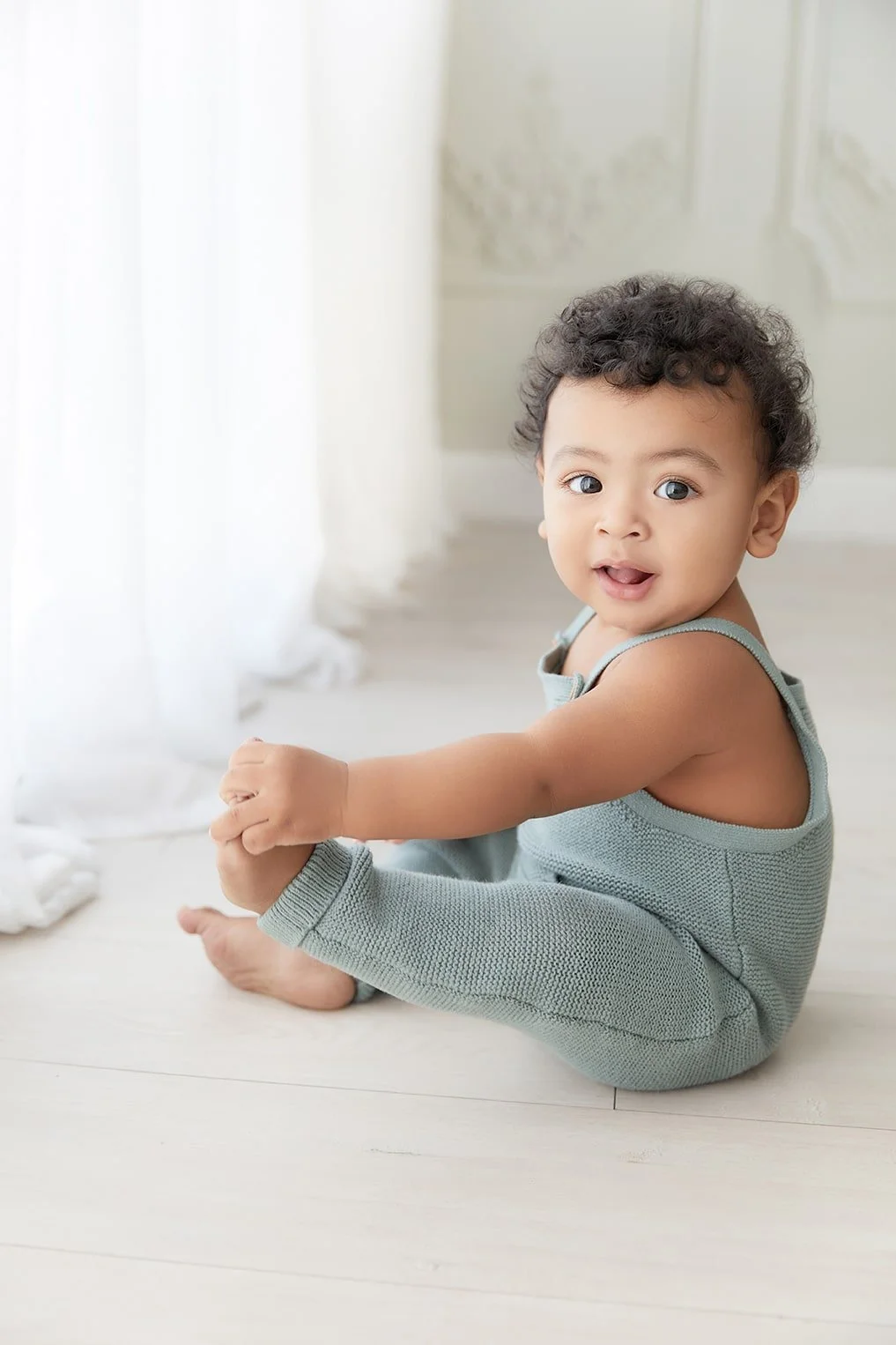
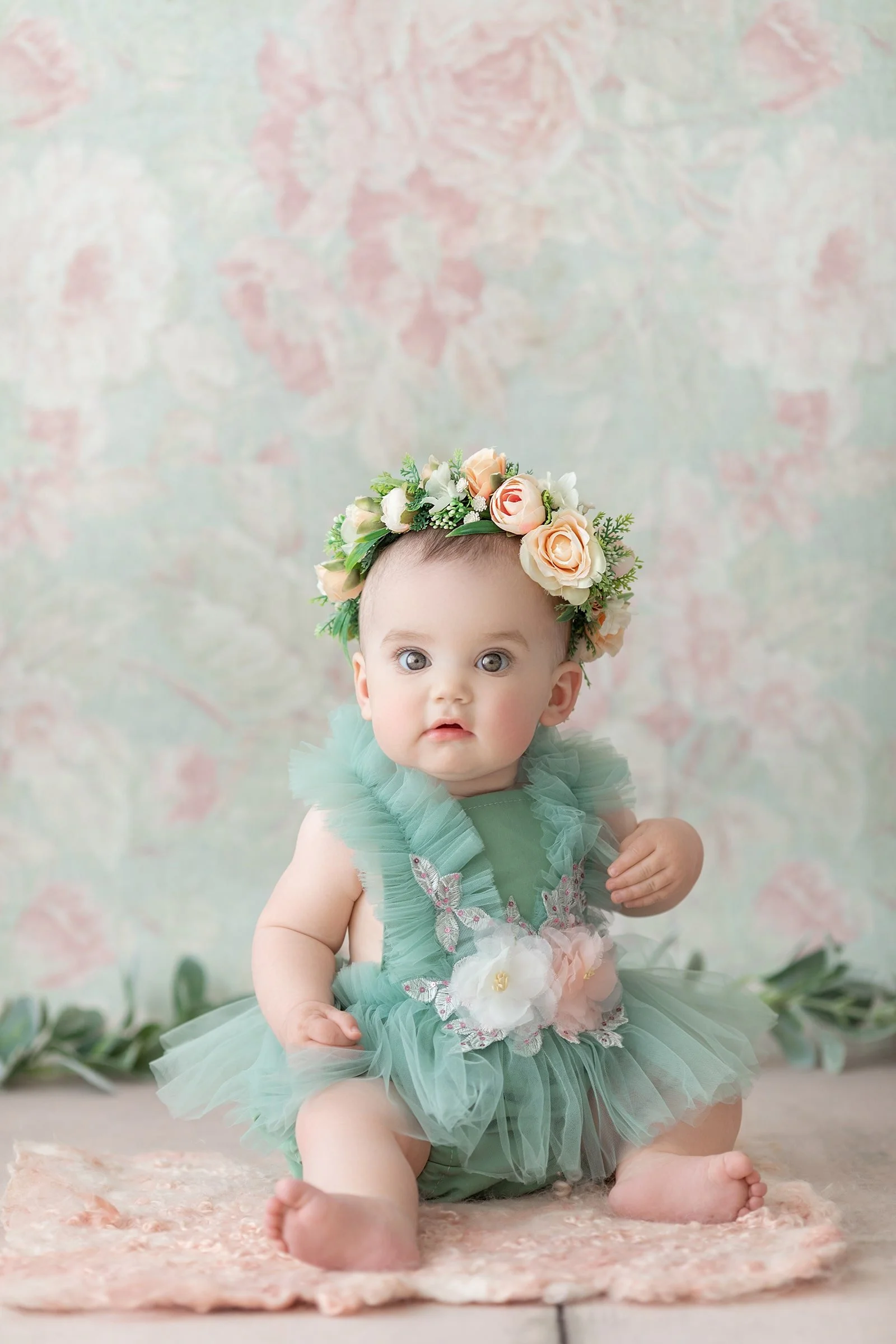
Photographing Baby’s Face, Eyes, and Expressions
Baby photography at this stage is all about the face. The baby’s eyes are more expressive, the cheeks fuller, and the mouth more animated. Focus carefully on the eyes. Even a slight misfocus can change the entire feel of an image.
Use a shallow depth of field, but not so shallow that both eyes fall out of focus. Balance is important. The eyes should feel sharp and alive, while the background fades gently away.
Watch for micro-expressions. Babies often cycle through several expressions in seconds. A photographer who waits patiently often captures something far more meaningful than someone who rushes.
Hands and feet also begin to play a role here. Babies discover their hands around this time. Photograph fingers near the face, hands gripping a onesie, or little fists resting on the chest. These details help tell the story of this stage.
Newborn Photography Tips
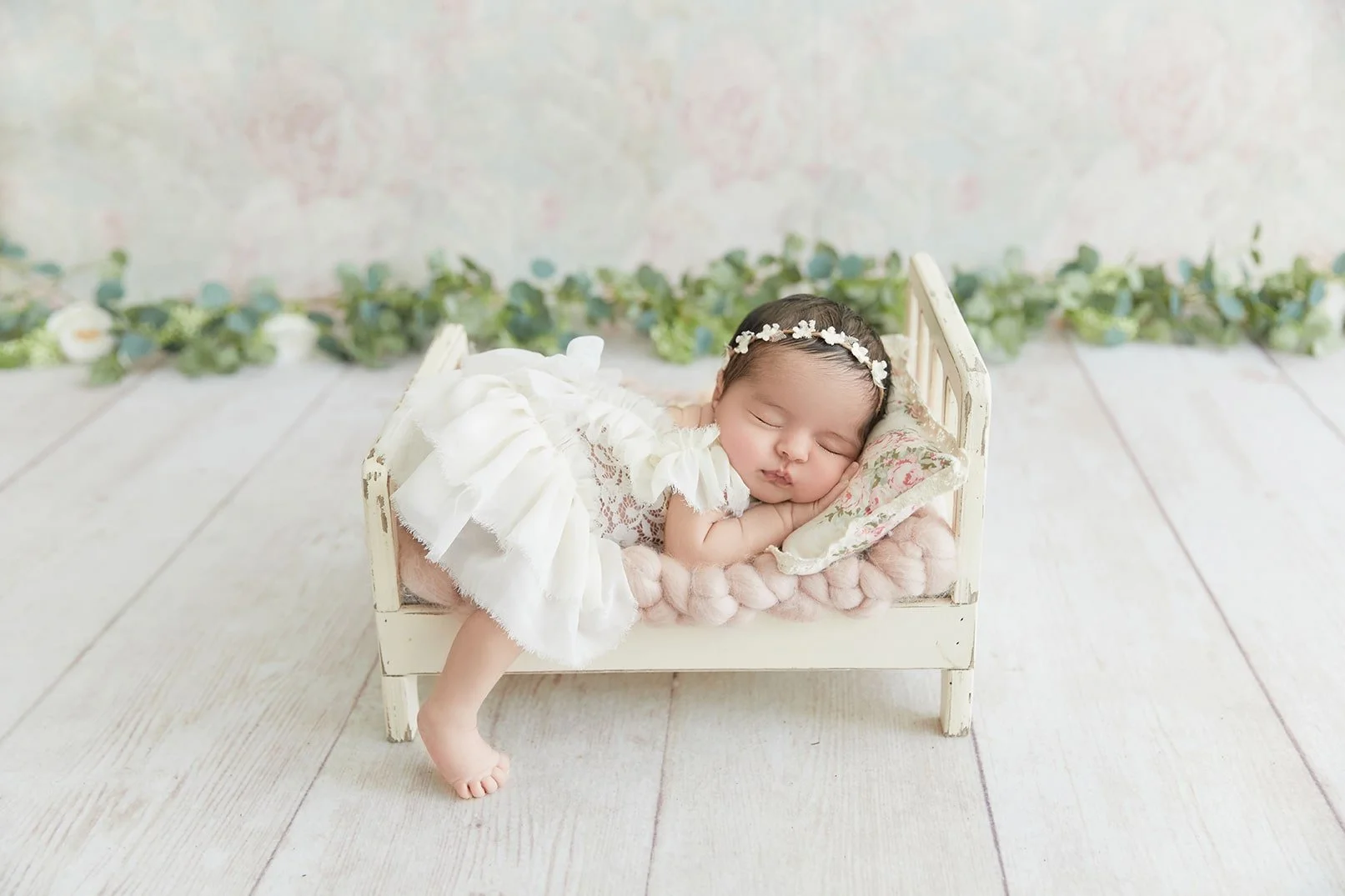
One of the most important newborn photography tips is starting with comfort, not the camera. A newborn who feels secure will naturally relax, allowing their tiny features and peaceful expressions to shine. This begins with warmth, soft natural light, and a calm environment. Whether you are a parent photographing your own baby or a baby photographer guiding a professional newborn photography session, the baby’s comfort always comes first.
A full diaper, a recently fed baby, and a gentle transition into the newborn photoshoot make a world of difference. Keeping baby wipes nearby helps with quick cleanups without disrupting the flow. When babies feel settled, their bodies soften, their hands unclench, and their faces relax into that dreamy newborn look parents adore.
Swaddling as a Tool, Not Just a Style Choice
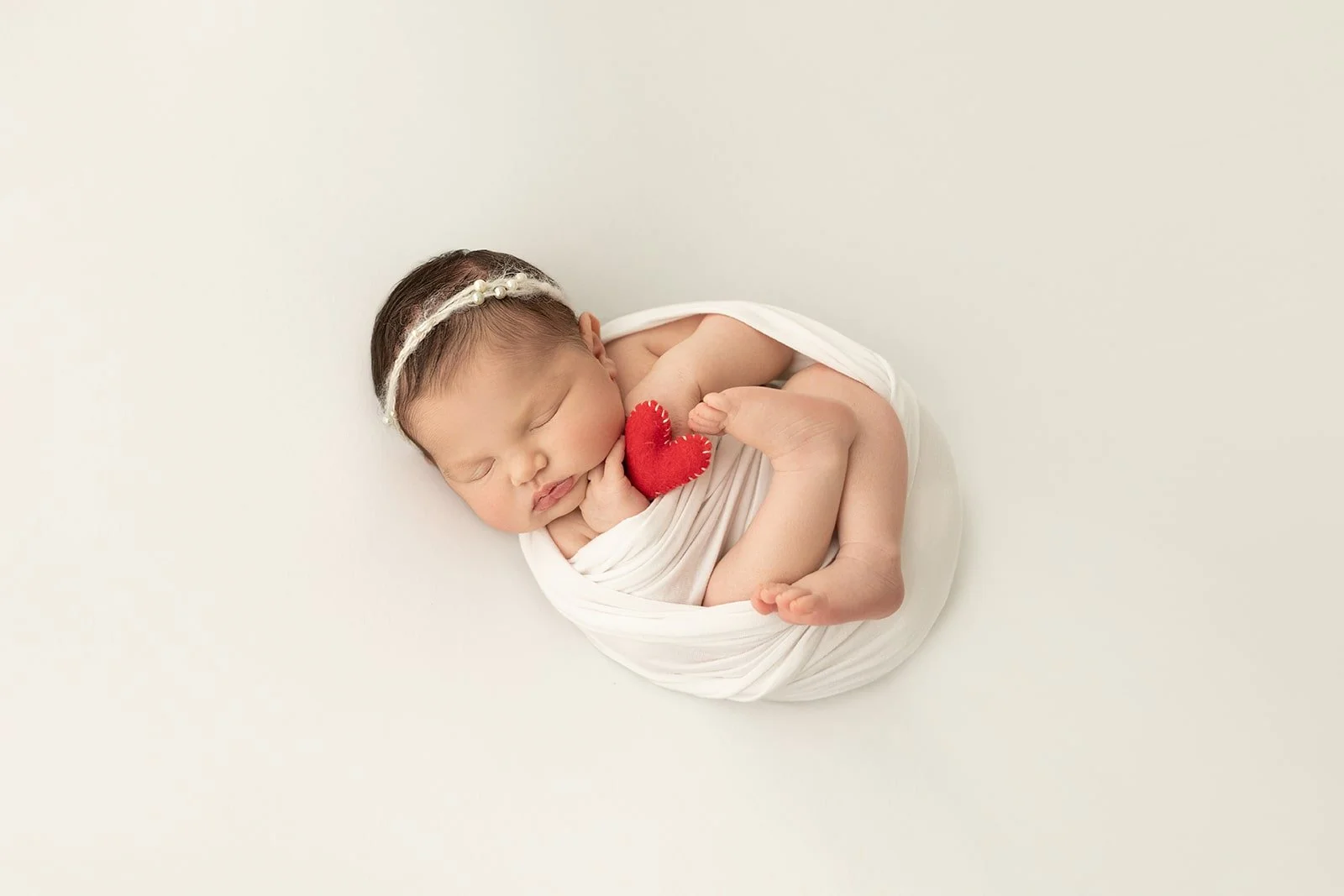
Swaddling is one of the most powerful tools in newborn photography. A swaddled baby feels contained and safe, which often leads to deeper sleep and calmer expressions. Swaddling also helps highlight how tiny your baby truly is, drawing attention to their little face, round cheeks, and delicate features.
A well-wrapped newborn baby naturally curls into themselves, creating classic newborn photos that feel timeless rather than trendy. Swaddling also minimizes startle reflexes, making it easier to take photos without sudden movements interrupting the moment. For many adorable newborn images, the wrap itself becomes the quiet frame that lets personality shine through.
See my full course on newborn wraps here.
Slowing Down Creates Better Baby Photos
One of the most important baby photography tips, and one that applies to every stage, is slowing down. Babies sense energy. When a session feels rushed, babies become unsettled. When the energy is calm, babies relax and respond.
Great baby photos are rarely captured in rapid-fire chaos. They are captured in moments of quiet observation. Watching how the baby reacts to sound. Waiting for the head turn. Allowing the baby to settle before lifting the camera again.
This is especially true when photographing babies who are naturally calm or observant. These babies may not give big smiles, but they offer something deeper. Thoughtful expressions. Intense eye contact. Stillness that feels powerful.
Those are the images parents often fall in love with years later.
The 4–5 Month Stage: Personality Begins to Shine
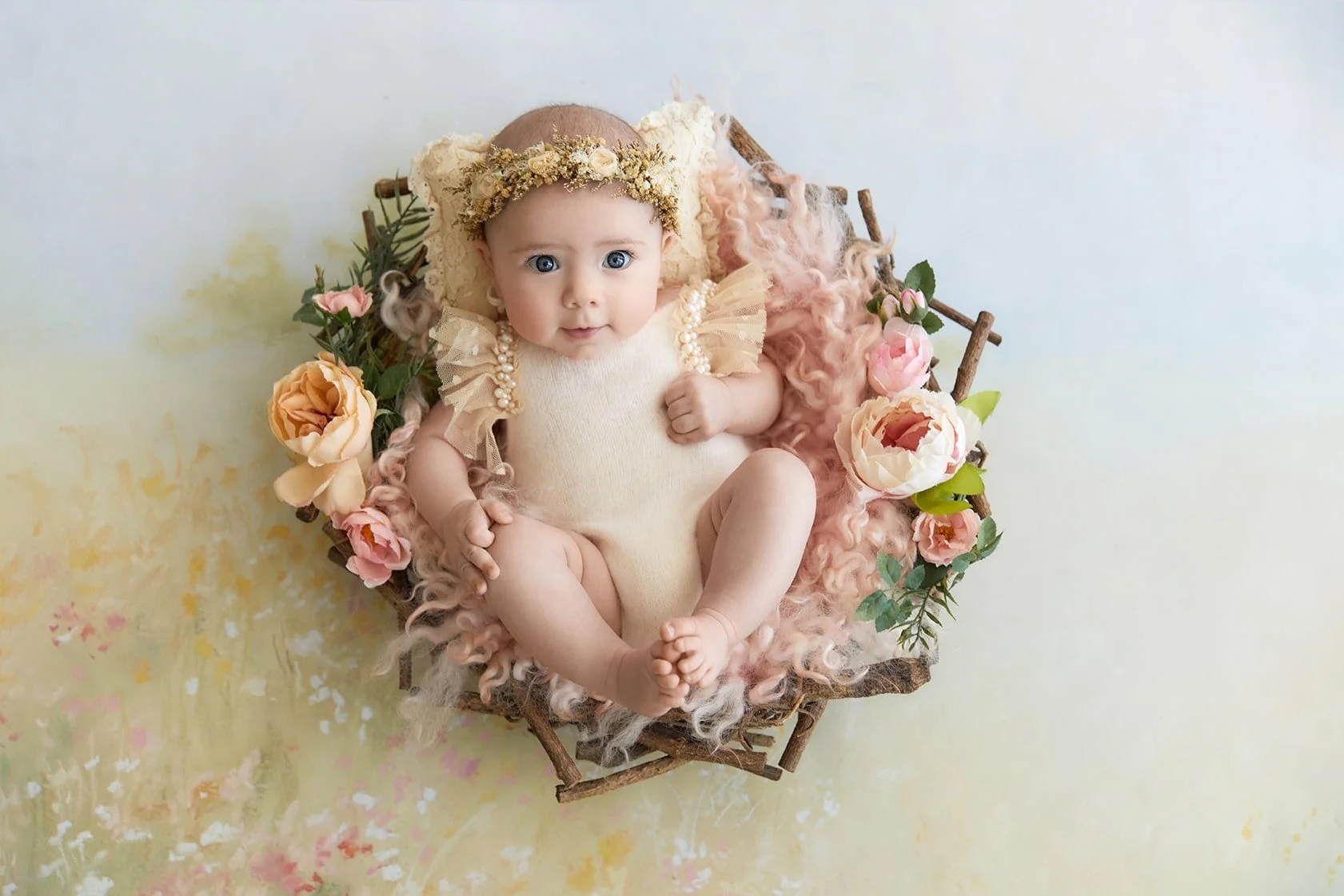
Around four to five months, babies begin to show a clearer sense of who they are. This is often the stage where parents say, “That’s so them,” when they see a photo. Babies are no longer purely reactive. They initiate interaction. They smile with intention, study faces, and respond differently to familiar and unfamiliar sounds.
This stage is a dream for baby photography because babies are usually still happy to stay in one place, yet expressive enough to offer a wide range of emotions. Many can lift their heads confidently while lying on their tummy, which opens the door to beautiful baby shots that feel strong and alert rather than sleepy.
When photographing babies at this age, positioning becomes more important than props. A baby placed on a soft blanket near a window, with their body angled slightly toward the light, will almost always photograph beautifully. Keep the setup simple so the focus remains on the baby’s face and expressions.
See my baby photography portfolio here.
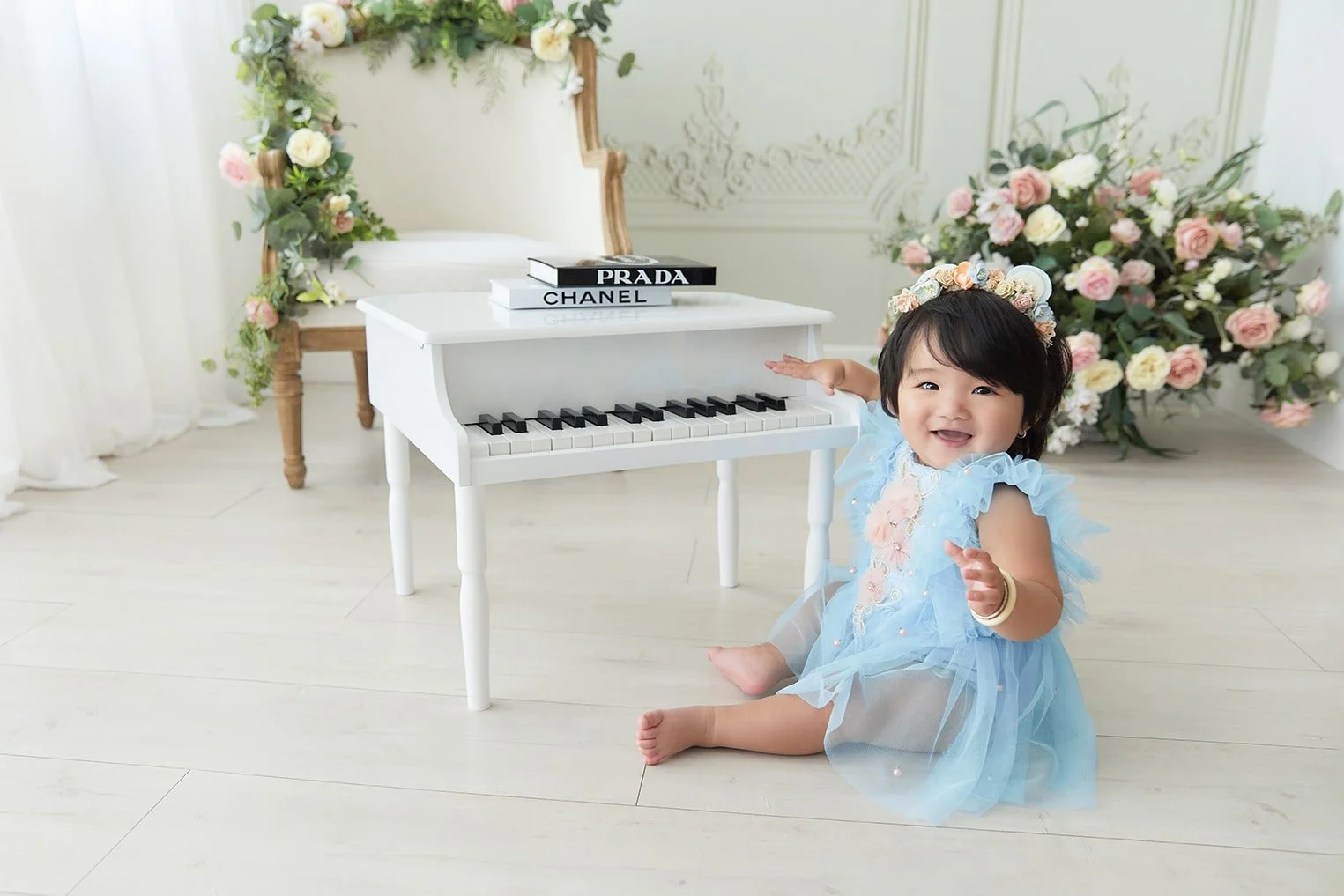
Sound is your secret weapon here. Gentle singing, rhythmic tapping, or a soft hand-held tambourine drum can instantly bring life to the eyes. This is also the stage where playful songs like Baby Shark can spark recognition and delight. Watch closely. The moment the baby’s eyes widen or their mouth opens in surprise is often the moment to press the shutter.
Depth of field continues to play a key role. A shallow depth of field helps isolate the baby against a soft background, but make sure the face stays fully in focus. Babies at this age move more than newborns, so adjusting shutter speed slightly faster helps freeze those fleeting expressions without losing softness.
Photographing Hands, Feet, and Movement with Intention
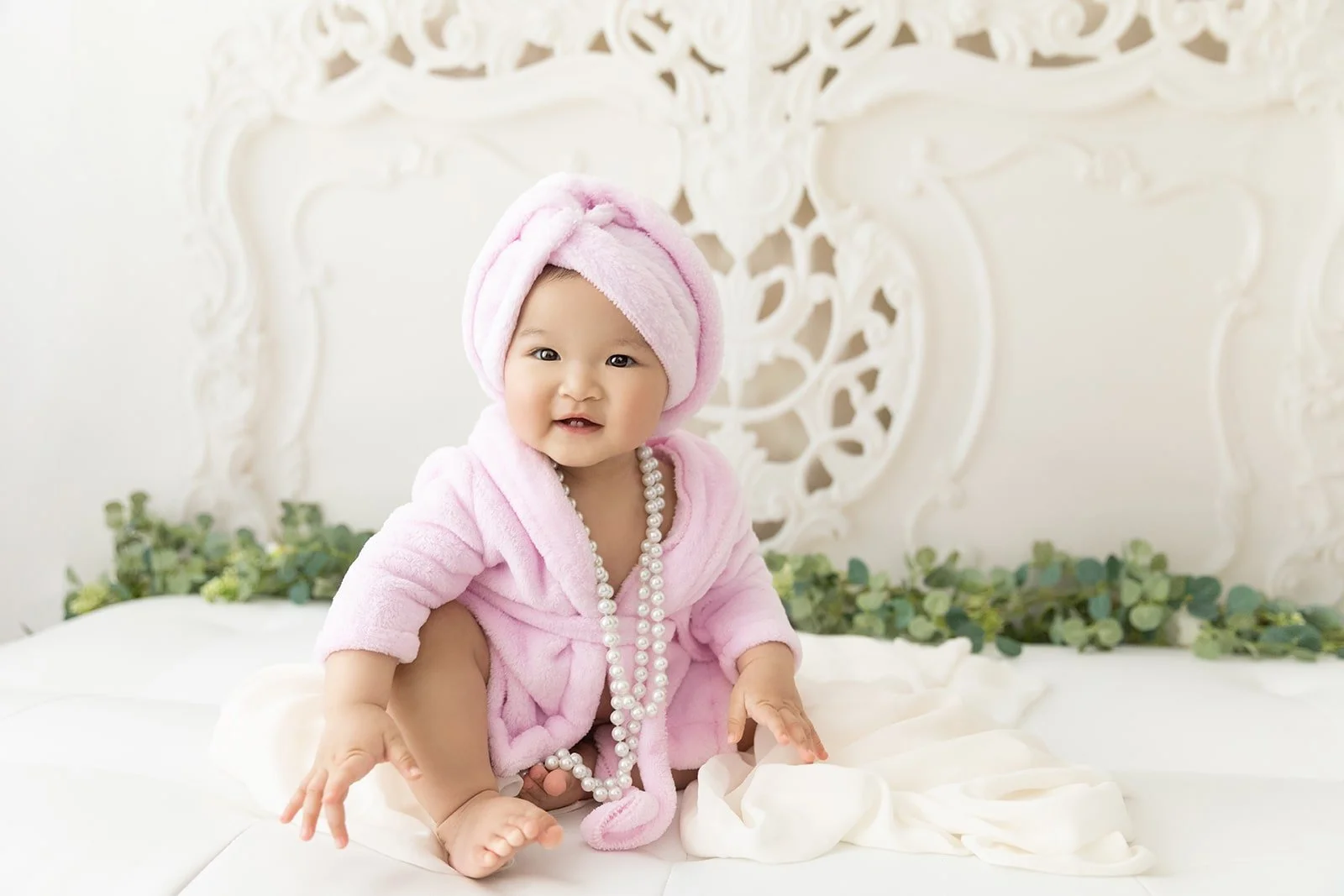
At this stage, babies become fascinated with their own bodies. Hands move constantly. Feet lift and kick. These moments are part of the story.
Some of the most beautiful baby photos include hands reaching toward the camera, fingers exploring fabric, or little feet lifted mid-kick. These images feel alive and honest. They remind parents how active and curious their baby was during this stage.
Rather than trying to still the baby, work with the movement. Position yourself so the baby’s hands or feet enter the frame naturally. Focus carefully and allow some motion blur if it adds emotion. Not every image needs to be perfectly frozen. Sometimes a hint of blur adds authenticity and warmth.
This is also a wonderful stage to photograph babies in simple onesies or soft outfits that show natural movement. Avoid stiff clothing that restricts motion or creates awkward folds. Comfort always leads to better expressions.
The 6–7 Month Stage: Sitting, Balance, and Confidence
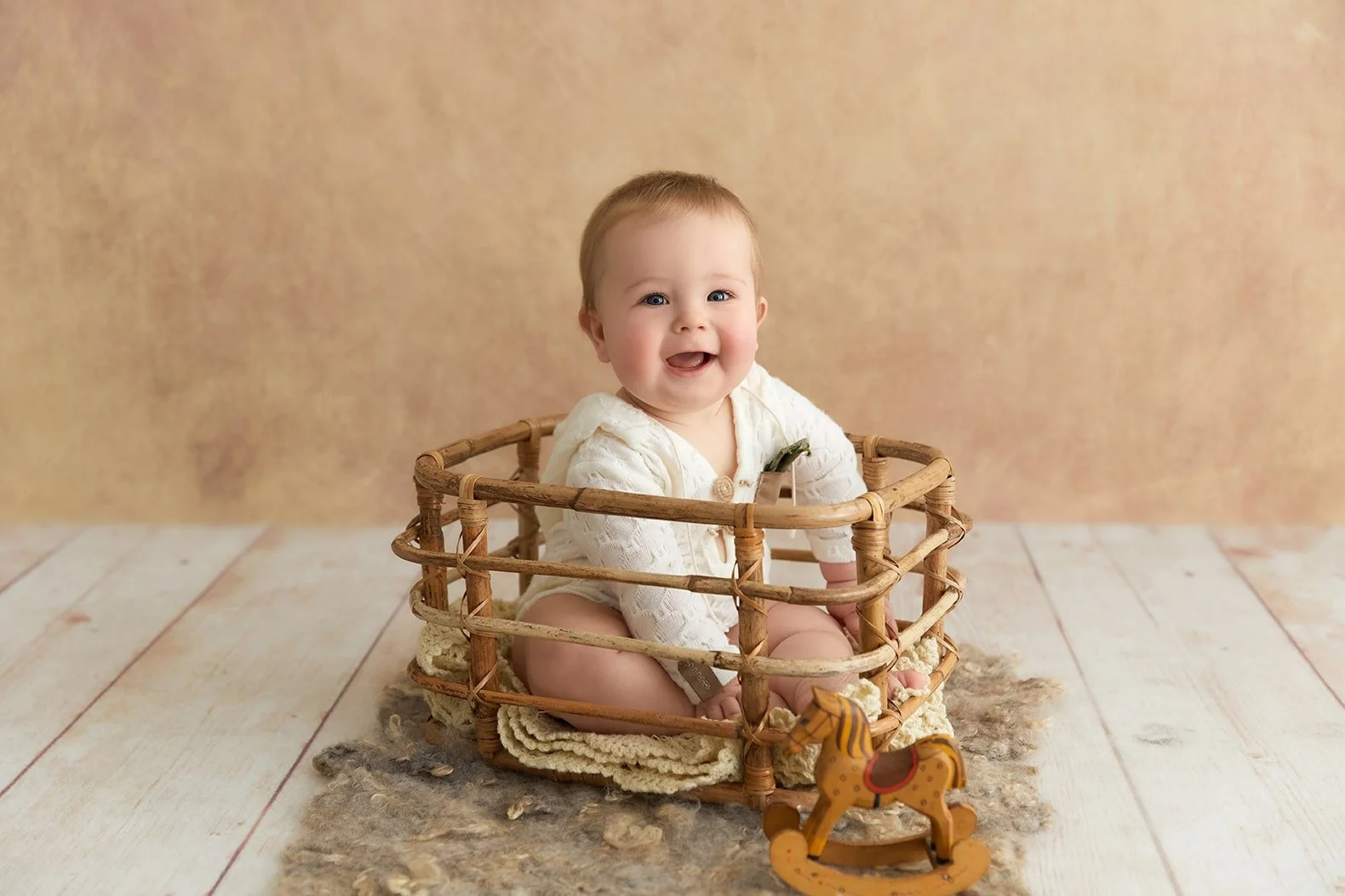
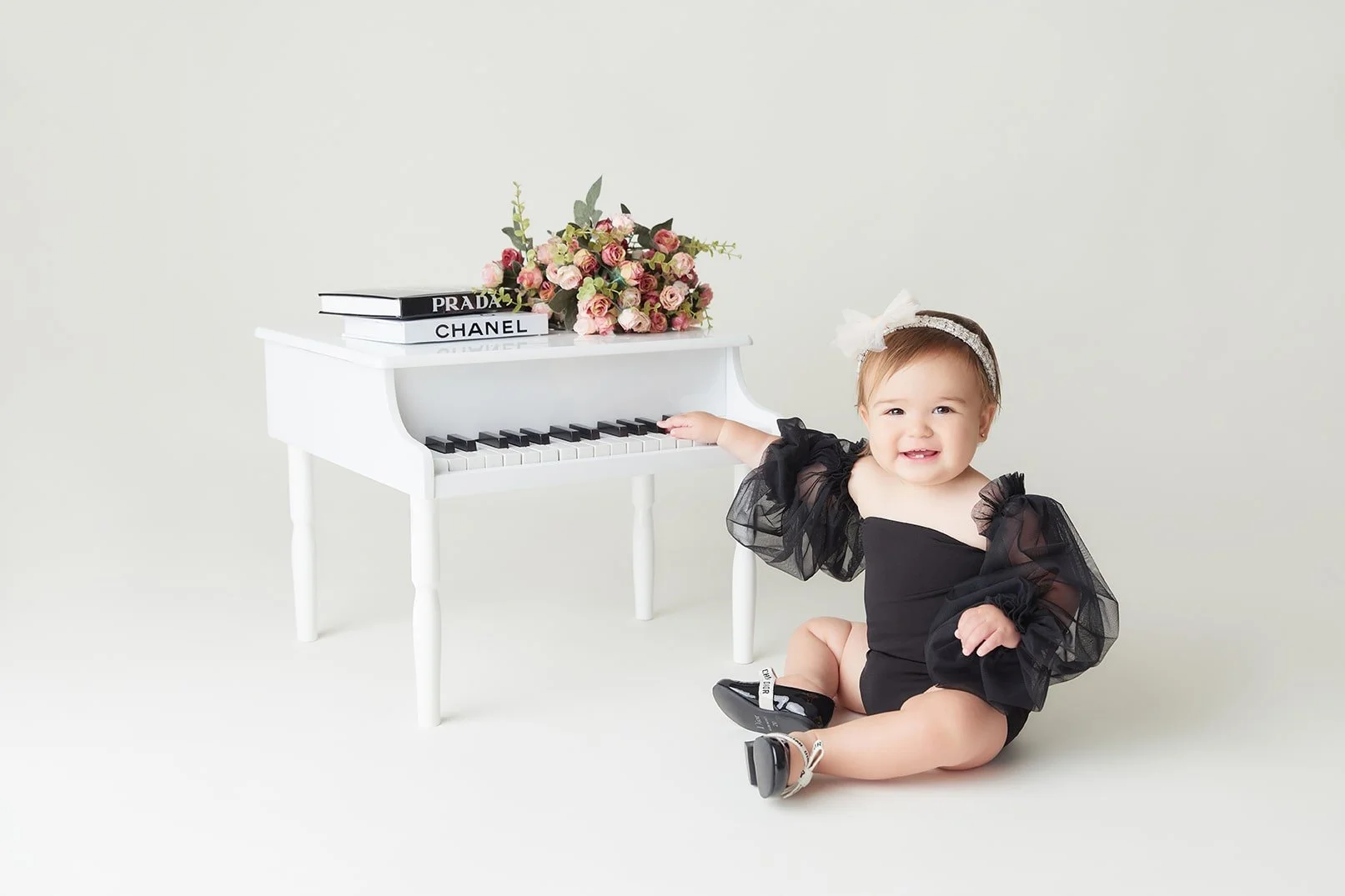
The sitter stage is one of the most loved milestones in baby photography, and for good reason. Around six to seven months, many babies can sit confidently without crawling yet. They are steady, expressive, and fully engaged with the world around them.
This stage allows for more variety in baby photos. Babies can sit upright, interact with props gently, and respond playfully to sound and movement. Their posture feels proud, their smiles feel intentional, and their eyes are bright with curiosity.
When photographing sitter sessions, safety comes first. Always ensure the baby is stable and supported if needed. Props should be low and soft, never tall or hard. A simple prop, such as a small wooden block or soft toy, gives the baby something to explore without overwhelming them.
Engagement remains key. Babies at this age love interaction. Singing, clapping softly, or tapping a tambourine drum just out of frame often brings the best expressions. Some babies respond to exaggerated facial expressions. Others prefer calm, gentle voices. Pay attention and adjust.
This is also the stage where personality differences become very clear. Some babies are bold and animated, leaning forward with excitement. Others are thoughtful, sitting quietly and observing everything carefully. Both are beautiful.
See my sitter session (6 months) course.
Using Props Without Losing the Baby
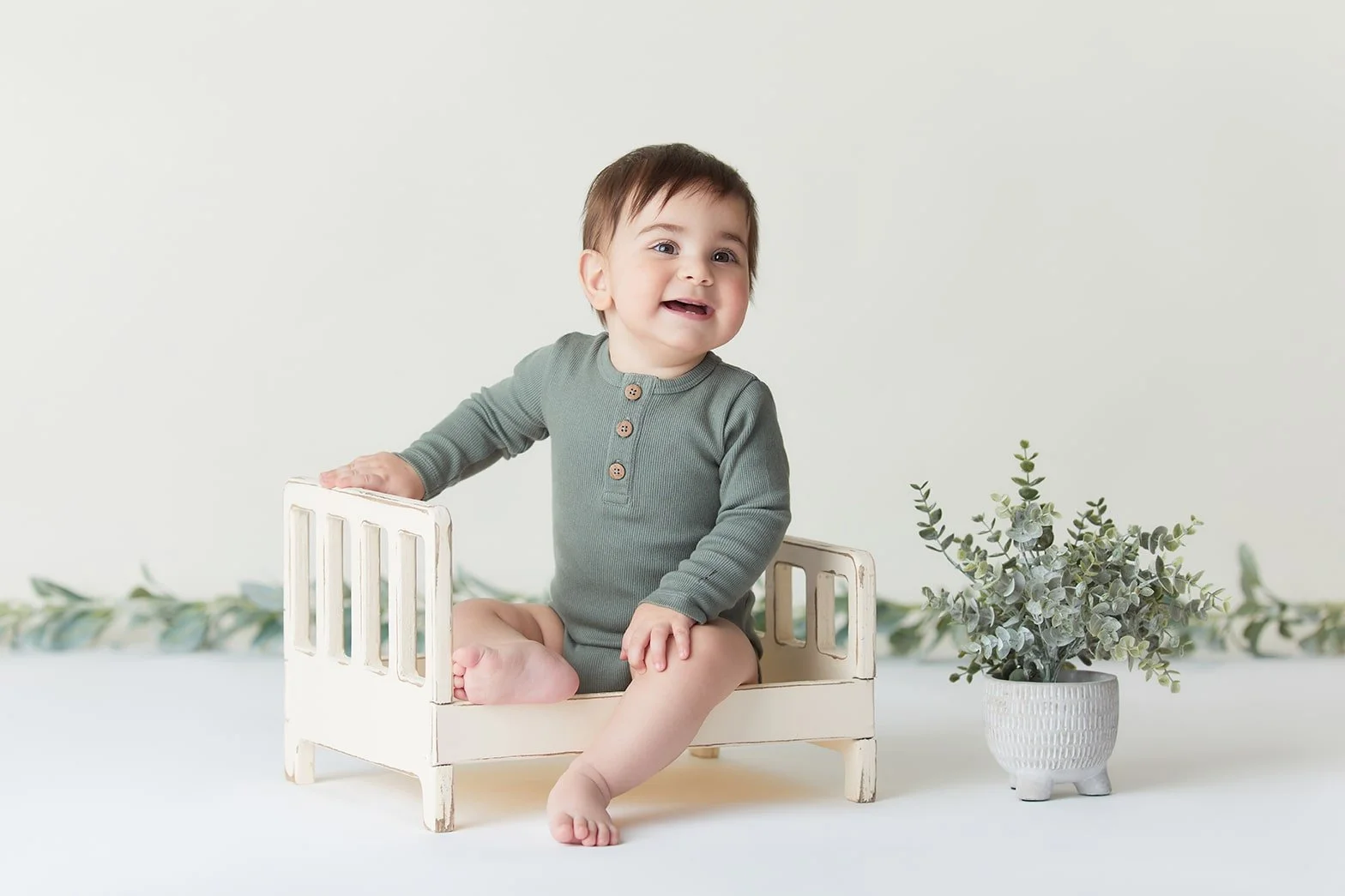
Props can add context and texture to baby photography, but they should never compete with the baby. At the sitter stage, props should feel like supporting characters, not the main event.
A prop works best when it encourages interaction. Something the baby can touch, hold, or explore gently helps create natural movement and expression. Avoid props that are too noisy, too bright, or too large. These often distract rather than enhance.
Neutral colors photograph best, especially in natural light. Soft wood, linen, and simple textures keep the image timeless. Bright primary colors can quickly pull attention away from the baby’s face and make images feel dated.
Always watch how the baby responds. If a prop causes hesitation or discomfort, remove it. The best images come from moments where the baby feels secure and curious, not overstimulated.
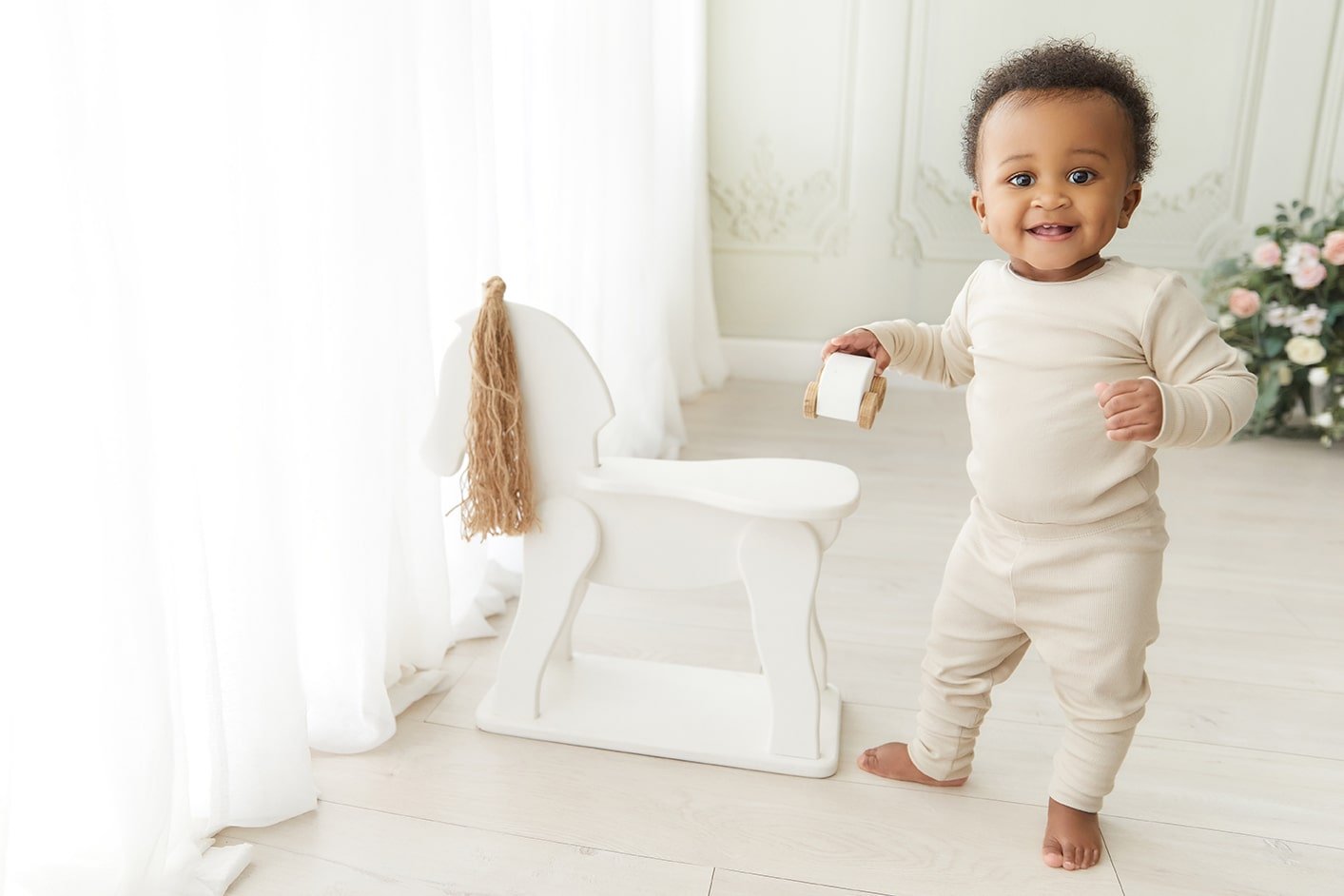
The 8–9 Month Stage: Curiosity, Stranger Awareness, and Exploration
Eight to nine months is a fascinating stage, and one that requires patience and sensitivity. Babies at this age are often crawling, pulling up, and exploring constantly. At the same time, stranger awareness can appear, making some babies more cautious around new environments or photographers.
This stage is less about posing and more about following the baby. Trying to control movement often leads to frustration. Instead, create a safe space and let the baby explore. Photograph from their level. Move with them rather than asking them to come to you.
Engagement changes here. Loud sounds or exaggerated actions can sometimes backfire. Many babies respond better to calm voices, familiar songs, or a parent’s presence nearby. Parents often become the anchor that allows the baby to relax and show their true personality.
This is a wonderful stage for candid baby photos. Crawling toward the camera. Pausing to look back at a parent. Standing briefly while holding onto furniture. These moments feel dynamic and real.
Shallow depth of field continues to help separate the baby from the background, especially when movement increases. Keep focus on the eyes whenever possible, even during motion.
Photographing Serious Babies Without Forcing Smiles
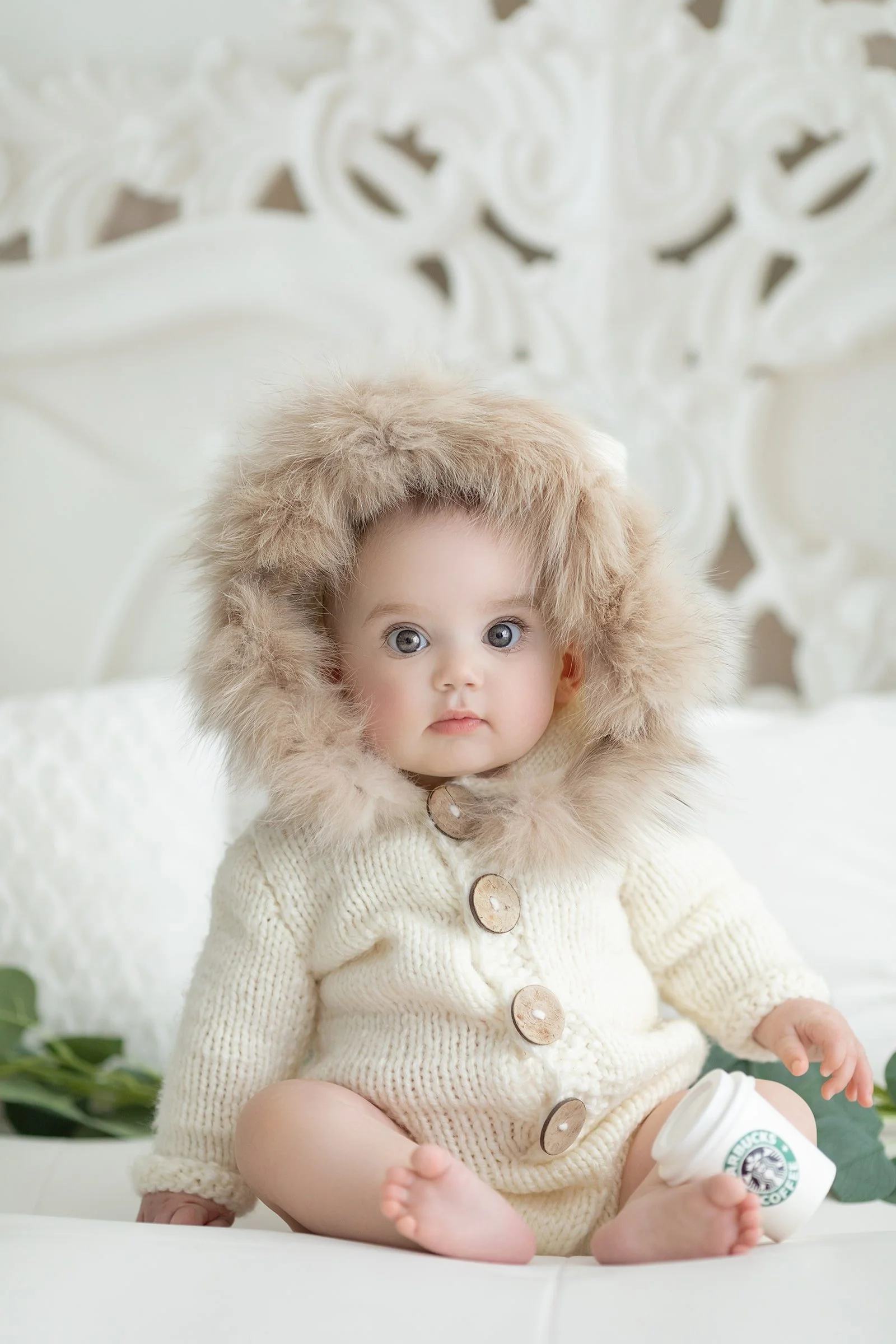
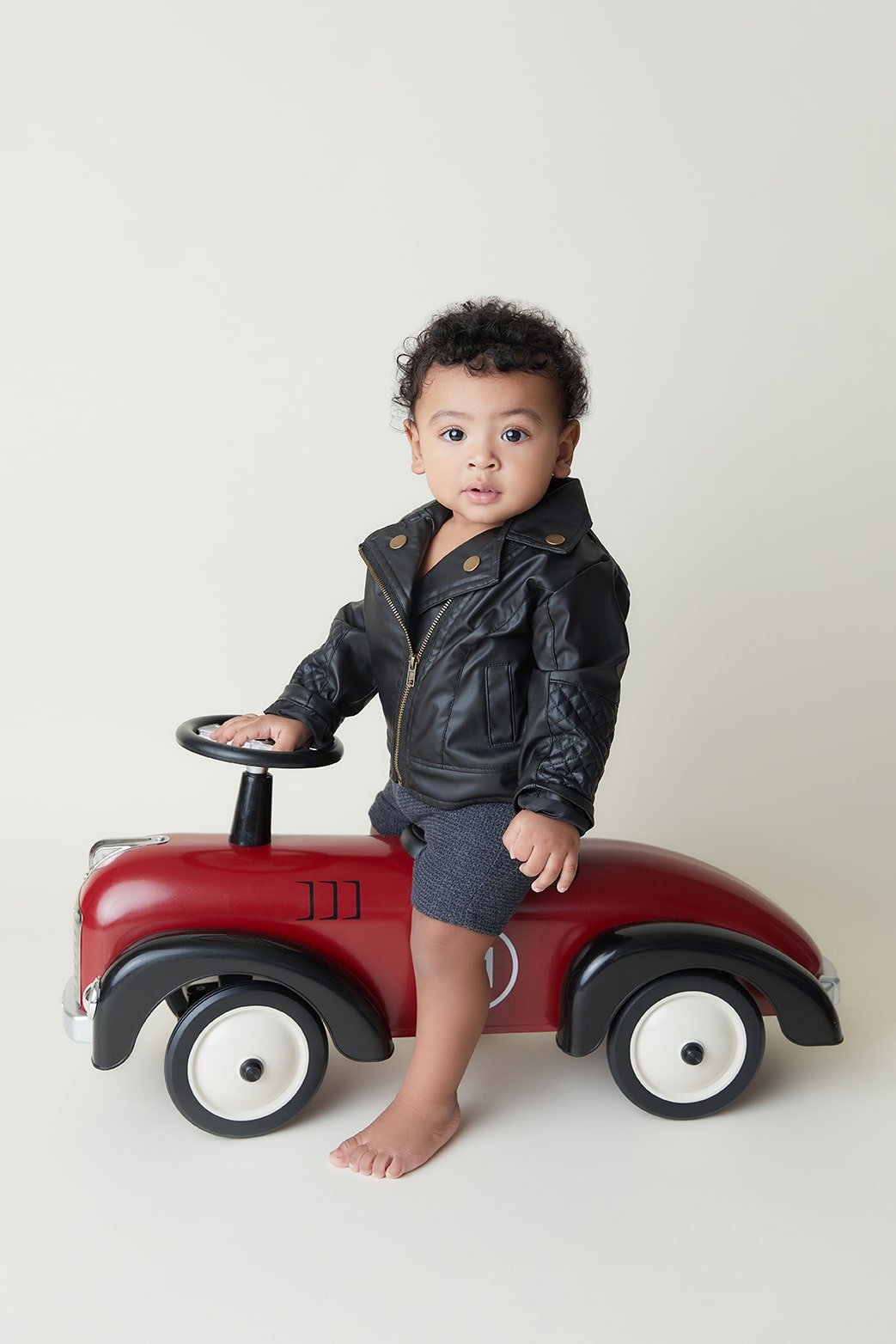
Not every baby is expressive in a loud way, especially at this stage. Some babies are serious observers. They take in everything quietly before reacting. These babies often give the most soulful, striking portraits.
It is important to resist the urge to chase smiles. A serious expression is not a failure. It is a reflection of personality. These images often age beautifully because they feel thoughtful and timeless.
Position the baby near soft light. Give them time to settle. Reduce stimulation rather than increasing it. Often, the most powerful images appear when everyone stops trying.
Parents sometimes worry when their baby does not smile during a photography session. Reassurance matters here. Calm, observant expressions are just as meaningful as laughter. Years later, these photos often become the ones families treasure most.
The 10–12 Month Stage: Independence and Emotion
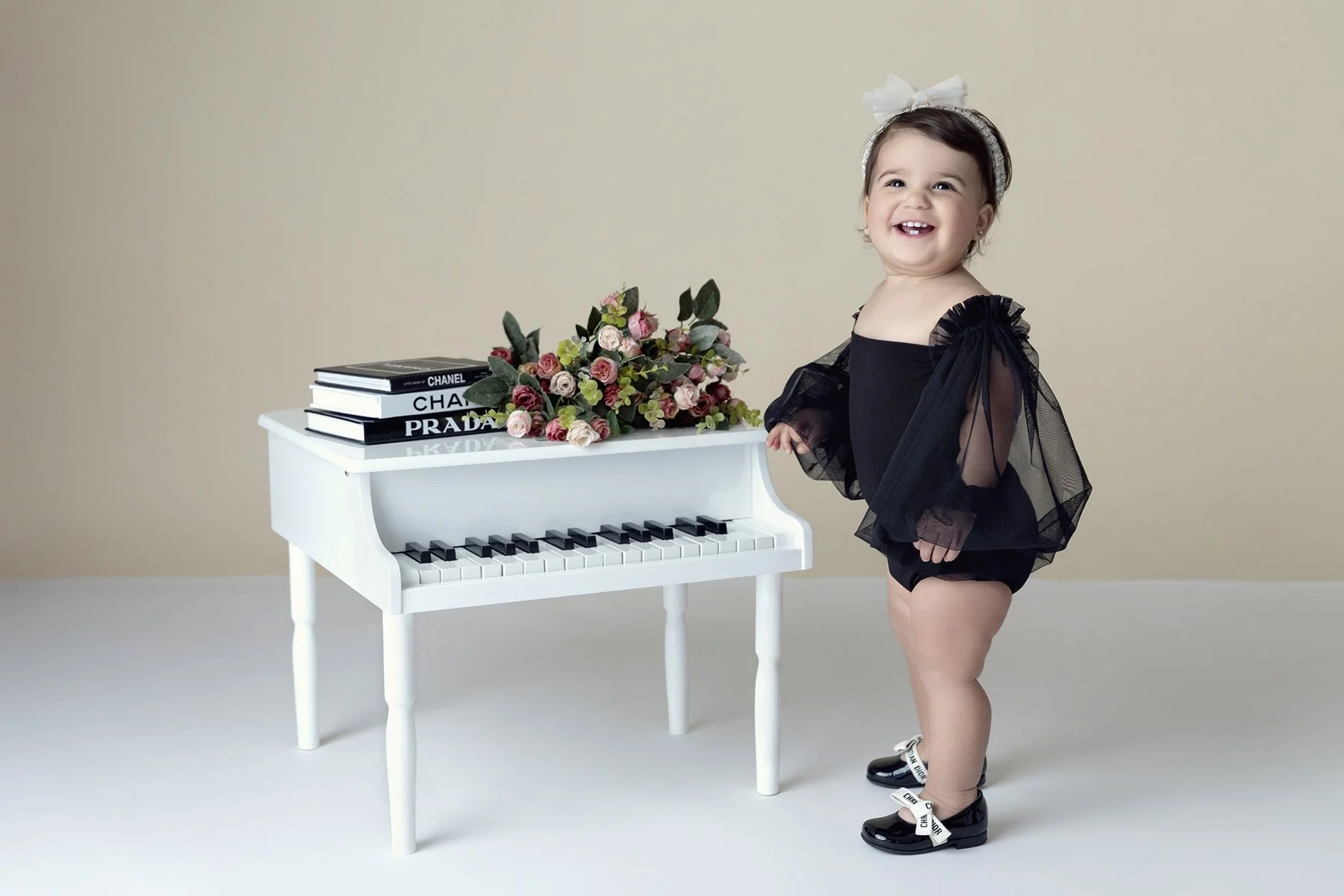
As babies approach their first birthday, their personalities become unmistakable. They may be standing, cruising, or taking their first steps. They have opinions. Preferences. Reactions that change quickly.
This stage is full of energy, and baby photography adapts accordingly. Sessions become more dynamic. Movement is constant. Emotions shift rapidly from joy to frustration to curiosity.
The key to photographing babies at this stage is flexibility. Instead of trying to direct, create opportunities. A safe space to move. Simple props that invite interaction. A familiar song or sound that brings comfort.
Parents often play a larger role here. A parent just outside the frame can bring reassurance and genuine smiles. Family photography moments naturally weave in at this stage, capturing connection alongside independence.
This is also when milestone photos feel especially powerful. A baby standing proudly. A determined crawl. A curious reach toward the camera. These images mark the transition from babyhood into toddlerhood.
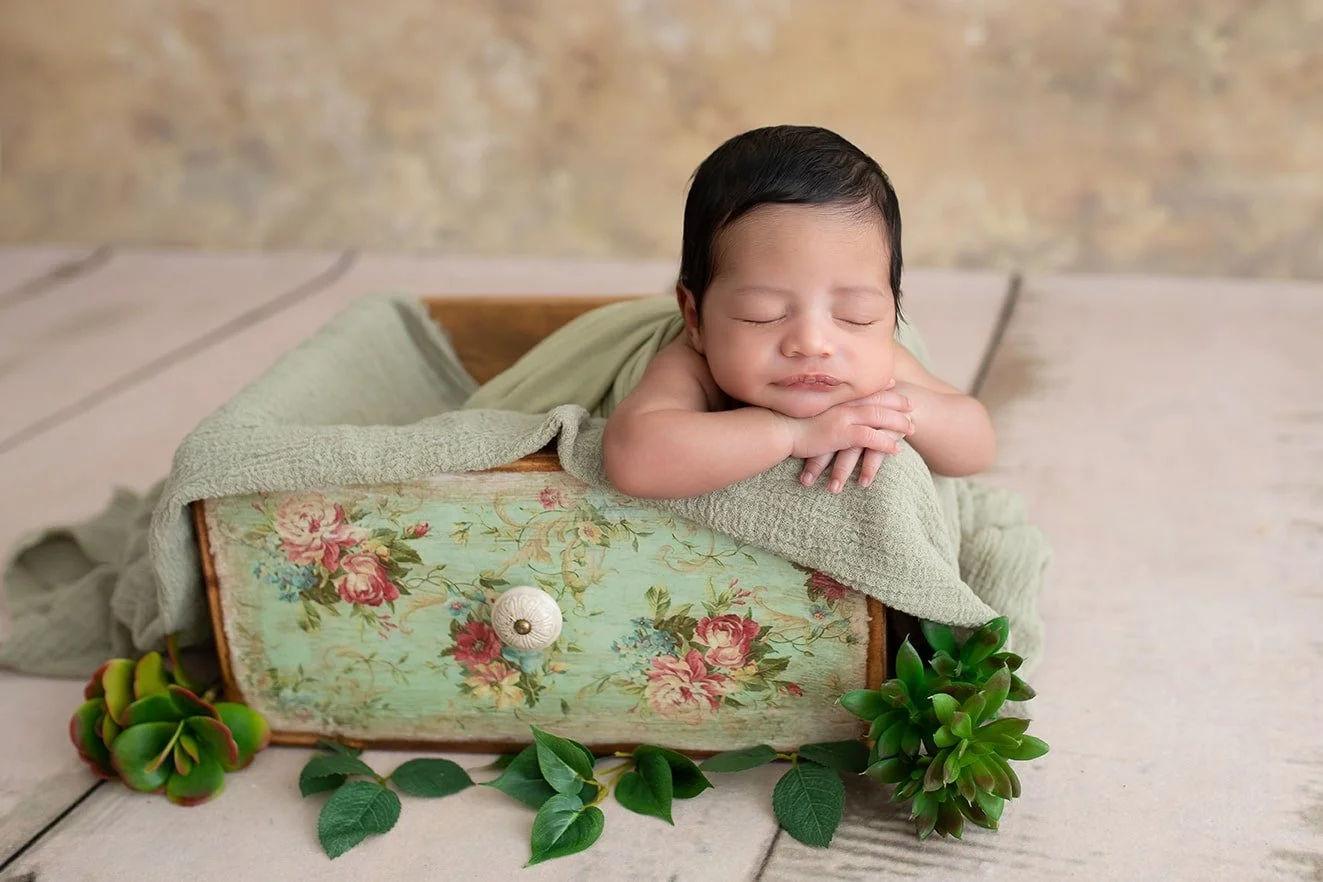
The Right Depth of Field Makes for Perfect Newborn Photos
Throughout the first year, technical choices should serve emotion. Aperture, shutter speed, ISO, and focal length are tools, not goals. A shallow depth of field helps draw attention to the baby’s face. A slightly faster shutter speed freezes movement when needed. Natural light keeps skin tones soft and honest.
Avoid overcomplicating settings. Babies change quickly. Simplicity allows you to respond in real time. The more comfortable you are technically, the more present you can be emotionally. Focus on the baby’s eyes whenever possible. Eyes carry emotion. Even in wide shots, ensure the eyes feel sharp and alive.
Conclusion
Photographing babies from newborn through twelve months is about far more than milestones or poses. It is about preserving special moments in time that pass quietly and never return in the same way. A newborn photoshoot captures the softness of a tiny baby who still fits perfectly in your arms. A baby photoshoot months later captures curiosity, confidence, and the beginnings of independence.
Whether you are a parent hoping to take better photos at home or working with a professional newborn photographer, the heart of baby photography remains the same. Slow down. Observe. Photograph the baby in front of you, not the version you think you are supposed to capture.
Some of the most meaningful photos of your baby will not be the perfectly posed ones. They will be the candid moments. The sleepy stretch after a diaper change. The way tiny hands curl around a parent’s finger. The serious gaze. The unexpected smile. These become the cute photos families return to again and again.
Newborn photography tips and tricks will always evolve, but the emotional core never changes. Babies do not need elaborate setups to be beautiful. They need patience, gentleness, and presence. Years from now, when you look back at photos of your baby, you will not remember whether the light was perfect or the prop was trendy. You will remember how small they were. How soft their skin felt. How their personality was already there, waiting to unfold.
These photos become more than images. They become reminders of love, growth, and the fleeting magic of early parenthood. And that is what makes photographing babies such a meaningful art.